
Blog
Reliability, Speed, and Efficiency: What Sets Modern HVAC Service Apart
Prioritizing Rapid Response Without Cutting Corners
In the HVAC field, response time matters as much as workmanship—especially when occupants are uncomfortable or equipment is at risk. Technicians trained for triage-style diagnostics can stabilize a failing air conditioner by first addressing airflow, refrigerant containment, and electrical safety before advancing to deeper repairs.
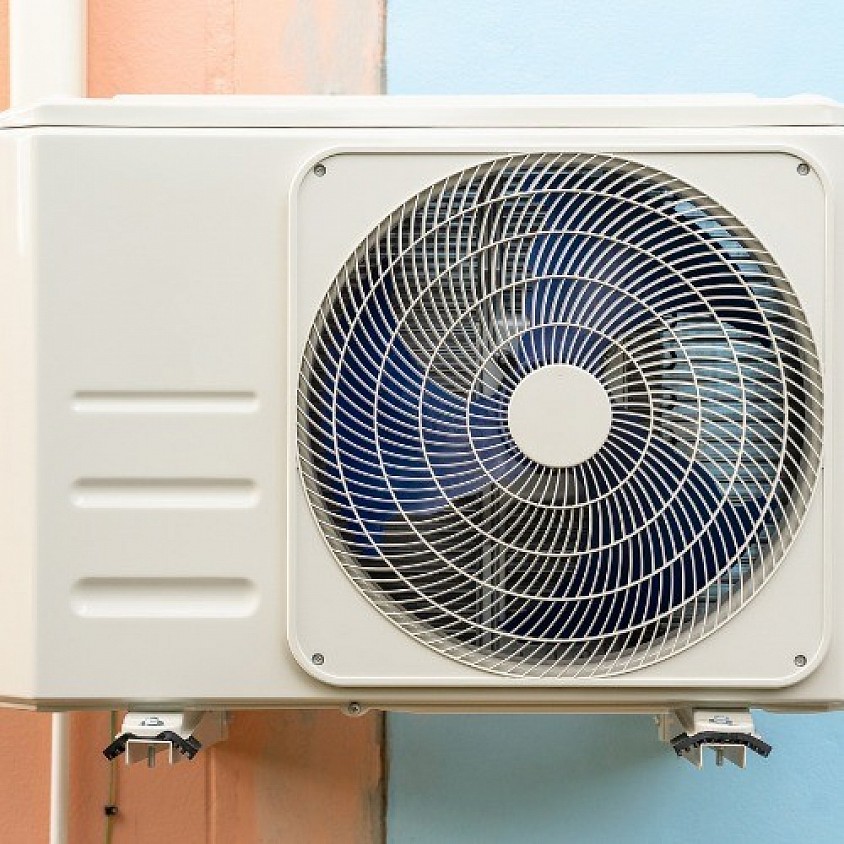
For example, when a condenser fan motor locks up on a sweltering afternoon, a rapid-response crew can isolate the power, verify capacitor integrity, and install a compatible replacement motor to restore heat rejection in short order. This approach is invaluable for emergency AC repairs, where preventing secondary damage—such as compressor overheating—saves time and money. Equally important, technicians document their findings to support long-term reliability, ensuring that the initial rush never eclipses the quality steps that cement a lasting fix.
Diagnostics That Look Beyond the Obvious Symptom
Effective troubleshooting goes past the immediate complaint to uncover root causes. A warm-air complaint might trace to a clogged indoor coil, but the deeper problem could be inadequate filtration or negative pressure drawing in attic dust. A rattling noise might be a loose panel, yet the real issue could be fan imbalance or worn isolation mounts.
Advanced diagnostic routines pair electrical testing—measuring voltage drop and verifying contactor performance—with mechanical checks such as blower wheel cleanliness, belt tension, and motor bearings. Refrigerant-side evaluation focuses on superheat, subcooling, and line set condition to differentiate charge issues from airflow restrictions.
Consider a scenario where short-cycling plagues a home: a surface-level fix could be swapping out a thermostat, but a disciplined diagnostic path may reveal equipment oversizing or duct leakage driving the nuisance. By treating symptoms as clues rather than conclusions, HVAC professionals craft repairs that endure.
Energy Efficiency as a Core Outcome of Every Service Visit
Every visit is an opportunity to reclaim efficiency and stabilize utility costs. Cleaning condenser coils, straightening fin surfaces, and restoring proper condenser fan operation enhance heat transfer, while indoor improvements like replacing a fatigued blower capacitor can restore correct motor performance. Even small interventions—reseating a loose wiring connection that caused intermittent compressor starts, or sealing a leaky return plenum—can transform comfort consistency.
Seasonal tune-ups often include verifying refrigerant charge within manufacturer ranges, inspecting drain pans and traps to avert water damage, and calibrating thermostats for precise staging. For example, a rooftop unit limping along with a dirty economizer can be tuned to allow proper free cooling during mild evenings, reducing compressor runtime without sacrificing comfort. Over time, these accumulated gains shrink strain on equipment, cutting down on nuisance calls and extending system lifespan.
Indoor Air Quality Integrated With Comfort and Safety
Temperature alone does not define comfort; air quality and humidity shape how spaces feel and how systems perform. High humidity forces systems to run longer and can trigger microbial growth on coils and in drain pans. Balancing airflow through correct duct sizing and well-sealed returns helps dehumidification work as intended.
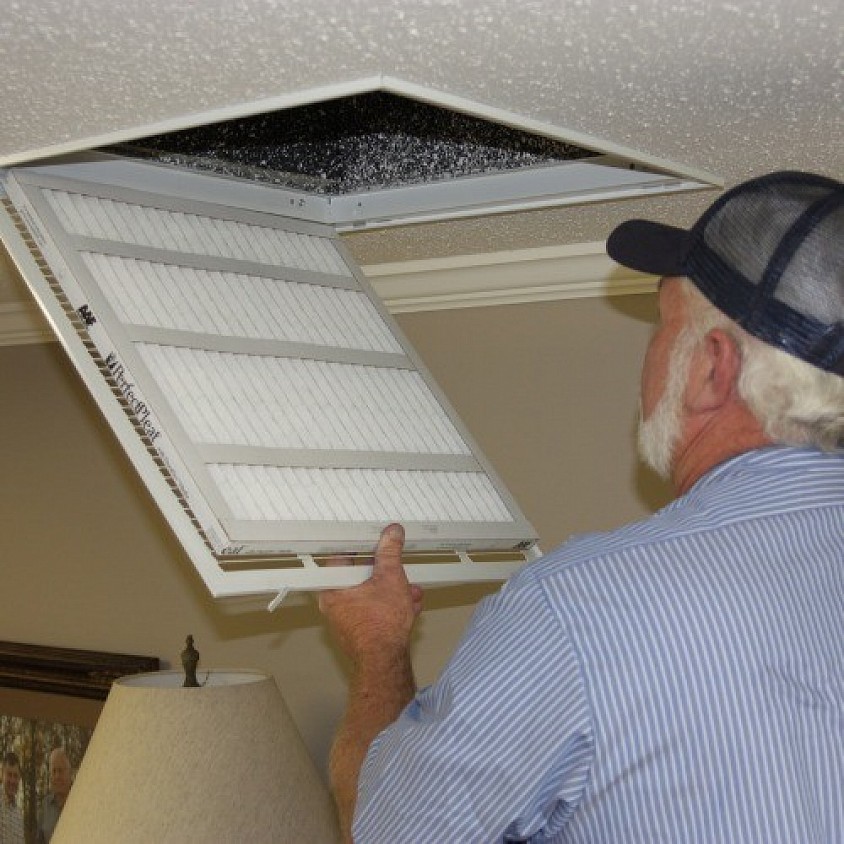
Filter strategy matters as well. Selecting an appropriately rated filter that the blower can handle avoids choking airflow while still capturing fine particulates. For instance, a home battling musty odors and uneven cooling may benefit from a duct inspection to identify crushed flex runs, followed by coil cleaning and a humidity review to ensure the system can meet the latent load. Addressing condensation management through clear traps, pitched drain lines, and float switches guards against water overflows that threaten ceilings, equipment, and indoor air quality alike.
Proactive Maintenance and Real-World Preparedness
The hallmark of dependable HVAC care is readiness: parts on hand, clear communication, and a maintenance rhythm that reduces surprises. A well-structured maintenance plan targets high-wear items such as capacitors, contactors, fan belts, and motor bearings, replacing them before they fail.
Service crews stock common components—standard capacitors, fuses, igniters, and universal fan motors—so repairs do not stall while occupants wait in rising heat. For example, a technician who identifies a weakening capacitor during a spring tune-up can replace it immediately, preventing a midsummer no-cool call and the cascade of stress that follows.
Communication closes the loop: explaining recommended actions, noting any code-related safety findings, and outlining next steps prepares property owners before extreme weather hits. When an unexpected outage occurs, the groundwork laid by maintenance, documentation, and stocked supplies turns a disruptive breakdown into a manageable service event.
Five Forces Reshaping the HVAC Industry: Efficiency, Air Quality, Controls, Refrigerants, and Skills
1. Efficiency and Electrification Lead System Design
Systems that prioritize efficiency now shape design choices from the ground up, with a focus on right-sized equipment, variable-speed compressors and fans, and better building envelopes that reduce thermal loads before selecting equipment capacity. Electrification continues to gain traction as a strategy to reduce on-site combustion and improve overall performance in both residential and commercial applications.
For example, in a mixed-use property, air-source heat pumps paired with zoning can deliver targeted comfort across retail, office, and lobby spaces without oversized ductwork. In colder climates, hybrid approaches that integrate heat pumps with auxiliary heat allow dependable operation during extreme weather while preserving efficiency during milder days. Commissioning, balancing, and accurate airflow measurements are critical to ensuring that installed equipment operates at the efficiency promised on paper. The result is consistent comfort with lower noise levels and tighter temperature swings.
2. Indoor Air Quality Becomes a Permanent Priority
Indoor air quality has shifted from a nice-to-have feature to a long-term priority across the HVAC field. Well-designed systems combine source control, effective filtration, and ventilation to dilute and remove contaminants. MERV-rated filters are matched to fan capacity, and duct static pressures are verified so that filtration upgrades do not compromise overall airflow.
In offices and schools, demand-controlled ventilation using CO2 sensors supplies fresh air when occupancy rises while conserving energy during off-hours. In homes, balanced ventilation through energy or heat recovery ventilators helps maintain healthy humidity levels and brings in outdoor air without large energy penalties. Consider a childcare center as an example: adding balanced ventilation, sealed ductwork, and a properly sized dehumidification strategy can reduce odors, maintain stable humidity, and support occupant comfort throughout the day. Routine filter checks, coil cleaning, and drain maintenance sustain these benefits year-round.
3. Smart Controls and Data-Driven Maintenance
Modern controls are moving beyond simple thermostats to integrated platforms that coordinate equipment, zoning, ventilation, and even automated window shades. Occupancy sensors, smart schedules, and learning algorithms can pre-condition spaces ahead of busy periods and scale back operation during downtime.
For a small medical office, a cloud-linked building management system can flag unusual runtimes or temperature drift in a specific zone, allowing targeted service before patient comfort is affected. Trend logs help technicians verify that setpoints, economizers, and ventilation rates are performing as intended. Data-driven maintenance turns reactive calls into planned visits by highlighting issues like frequent short-cycling, rising condenser head pressure, or abnormal humidity swings. These insights make energy use more predictable, extend equipment life, and keep comfort consistent across seasons without requiring constant manual adjustments.
4. Refrigerant Transition and Responsible Handling
The industry continues to shift toward refrigerants with lower global warming potential while maintaining safety and performance. This transition influences equipment selection, service procedures, and technician training. Proper recovery, leak detection, and charging practices are essential, as is using tools and sensors compatible with new refrigerants and oils.
In a multi-tenant building, a phased upgrade plan can replace older systems unit by unit, avoiding disruption while standardizing on a new refrigerant family. Clear labeling on equipment, updated service logs, and strict adherence to manufacturer guidelines help ensure long-term reliability and compliance. Technicians also emphasize tight piping practices, correct line sizing, and careful evacuation to minimize moisture and non-condensables in the system. Responsible handling reduces environmental impact, supports efficiency, and provides peace of mind that systems will perform as designed long after installation.
5. Workforce Skills and Holistic Commissioning
As equipment and controls grow more sophisticated, workforce development remains central to achieving quality outcomes. Successful projects lean on technicians who blend foundational skills—such as airflow verification, refrigerant cycle diagnostics, and combustion safety—with software literacy and a deep understanding of building science.
Holistic commissioning starts with load calculations and duct design, continues through static pressure testing and refrigerant charging, and finishes with control sequences tailored to the actual use of the space. For example, a boutique hotel can align setback schedules, ventilation rates, and room zoning to real-time occupancy patterns, reducing energy use without sacrificing guest comfort. Documentation and owner training close the loop, giving facility teams practical guidance on filters, setpoints, and seasonal adjustments. The payoff is measurable: quieter operation, longer equipment life, and fewer surprises during weather extremes, all backed by a service culture that values precision and continuous improvement.